
A bad trip is a stretch in which the effects of LSD become overwhelming: fear, confusion, the feeling of losing control. DRUGSinfo describes it as being overwhelmed by the intensity of the experience, with anxiety and confusion, and lists paranoia and getting stuck in negative thoughts among the short term risks (DRUGSinfo). It is common enough that almost every collection of LSD reports includes some.
Most difficult moments pass. They feel endless because LSD stretches time, and because the trip itself lasts so long. Knowing that in advance is one of the few things that reliably changes how such a moment is experienced.
When hard moments happen
On the timeline, difficult stretches cluster in two places. The first is the come up, when the effects arrive faster or stronger than expected. The second is the peak, about two to four hours in, when time distortion and changed thinking are at their strongest.
A dose effect is clear from the research. In a Basel study comparing four doses, the highest one produced significantly more anxiety and more loss of the sense of self than the next one down (Holze et al. 2021). Because nobody can see how much LSD a blotter carries, a trip can be much stronger than planned without anyone having made a choice.
What a hard moment looks like in reports
Published reports describe a few recurring forms:
- Thought loops. A worry, often about health, a relationship or having broken something, returns again and again.
- Fear of not coming back. The conviction that the effects will never end, or that something is permanently wrong.
- Paranoia. The sense that other people are watching, talking about you or planning something.
- Losing the thread. Not knowing where you are, how long it has been or what you were doing.
- Body alarm. A racing heart, which is a real effect of LSD, read as a sign of danger.
Composite report: the peak that turned
Composite account. An untested blotter at a friend's party, no sober person, a second piece taken after 45 minutes.
T+0:45 Nothing yet, so a second piece goes in. The music is loud and the room is full.
T+1:30 Both amounts arrive together. Faces seem to change shape. Conversations go too fast to follow.
T+2:15 A thought gets stuck: something is wrong and it will not stop. The heart is pounding. Leaving feels impossible because the hallway is full of people.
T+2:40 A friend notices, takes them to a quiet bedroom, dims the light and keeps saying, slowly, that this is the LSD and that it will wear off.
T+4:00 The fear loosens. Water, a blanket, the same three songs on repeat.
T+11:00 Exhausted, shaky, talking it through. Afterwards the clear lesson: the second piece, the crowd and the lack of a sober friend all came from decisions made in the first hour.
This report is composite: built from patterns that recur in published accounts. No real person is described.
What made it easier in published reports
FRANK advises telling friends if a bad trip starts, and going to a quiet place where you feel safe and can relax (FRANK). Reports that turned around usually contain the same steps:
- A calm person who stays, speaks slowly and repeats that the effects come from the drug and will end.
- Less input: a smaller room, softer light, fewer people, a familiar piece of music or silence.
- Something simple to do with the body: sitting down, drinking water, holding a blanket or a cold glass.
- Letting the feeling come instead of fighting it. Many reports describe the fear easing once the person stopped trying to make it go away.
- Not adding anything. Alcohol, cannabis or another substance on top of a difficult trip appears often in reports that got worse.
Who runs extra risk
DRUGSinfo warns that people with a predisposition to psychosis, for example because it runs in the family, can have it triggered or made worse by LSD. Combinations matter too: an analysis of online reports found seizures in 47% of 62 reports where a classic psychedelic was combined with lithium (Nayak et al. 2021). Anyone who takes prescribed medication should know that combinations can be dangerous.
FRANK also warns that people have hurt themselves during a bad trip. Heights, water, traffic and open windows are part of the setting that matters.
When to call for help
Call the emergency number (112 in the EU, 999 in the UK) when someone has a seizure, loses consciousness, overheats, cannot be calmed and is a danger to themselves or others, or when you are not sure what they took. Ambulance staff are there to help; tell them what was taken.
A blotter that is not LSD changes this picture completely. Substances sold as LSD, such as NBOMes, have caused fatal poisonings (Zawilska et al. 2020). Read more on fake LSD.
For questions in the Netherlands, the Drugs Infolijn of the Trimbos Institute answers anonymously by phone, chat or mail (DRUGSinfo contact). In the UK, FRANK offers the same.
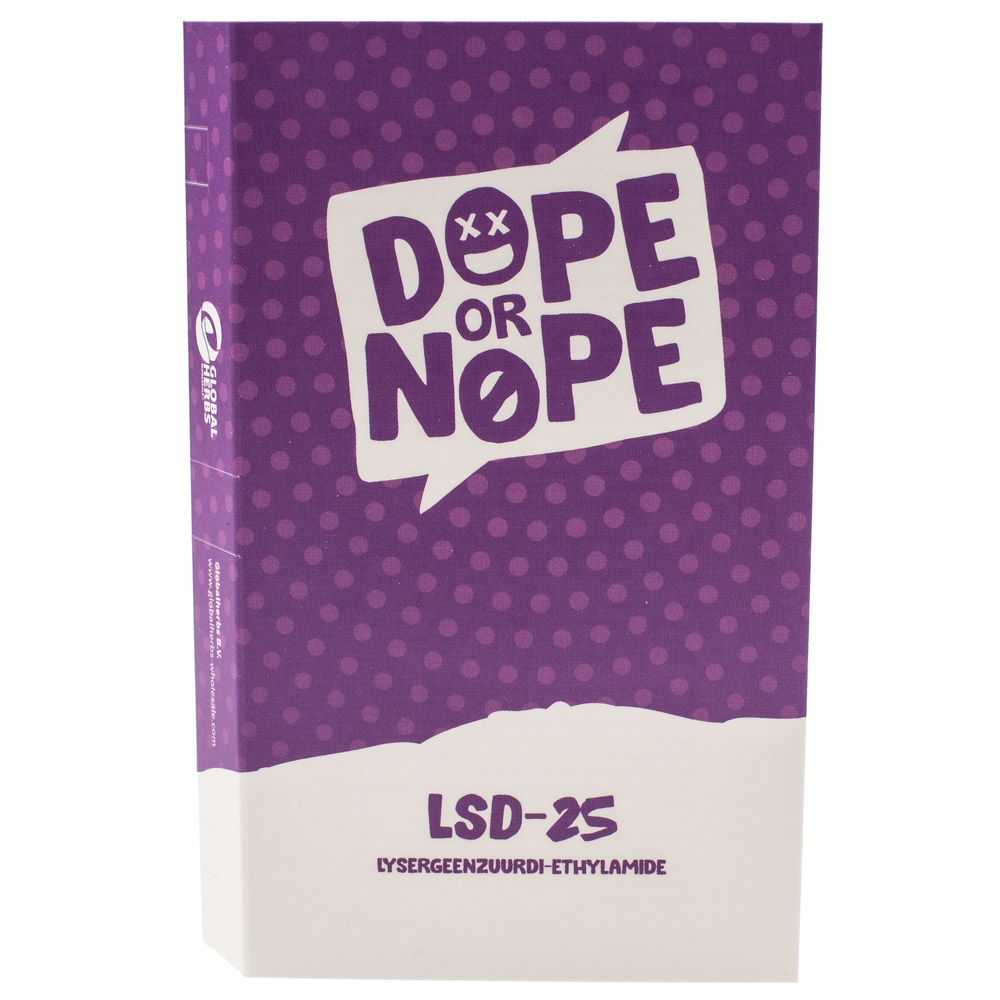
Dutch-Smart
LSD Test - Good or Bad
Single-use reagent test for a blotter, microdot or drop. A colour on the chart: LSD probably present. No reaction: not LSD.
€2.75 per test, incl. VAT
View at Dutch-Smart How the test works on dopeornopetest.com